
Bike Accident Attorney: How to Choose & What to Know
Table of Contents
- What to Do After a Bike Accident
- Understanding Liability and Negligence in Bike Accidents
- Common Types of Bike Accident Injuries and Damages
- How Contingency Fee Attorneys Work and What It Means for You
- California Personal Injury Statute of Limitations for Bike Accidents
- Choosing the Right Bike Accident Attorney
- Why Legal Representation Matters for Your Bike Accident Claim
- Conclusion
Last Updated: August 25, 2026
What to Do After a Bike Accident
The moments immediately following a bicycle accident are critical. Your actions in the first few hours determine whether you have a strong personal injury claim or a weakened one. Documenting everything at the scene is essential before pursuing compensation with a bike accident attorney.

Immediate Steps at the Scene
Call emergency services immediately if you or anyone else is seriously injured. Do not move unless you’re in immediate danger from traffic. Exchange information with the driver: name, phone number, address, insurance company, policy number, driver’s license number, and vehicle license plate. Get witness contact information before they leave.
Take photographs of the accident scene, your injuries, the vehicle, road conditions, traffic signals, and bike lane markings from multiple angles. Request a police report and obtain the report number and officer’s name. If police don’t arrive, file a report yourself at the local precinct within 24 hours.
Evidence Preservation and Documentation
Seek medical attention immediately, even if injuries seem minor. A medical evaluation creates a documented link between the accident and your injuries, essential for proving damages. Keep all medical records and receipts.
Write down your account of the accident while details are fresh: weather, lighting, traffic, speed, and exactly what happened. Note any pain or limitations in the days following. Document lost wages with pay stubs and employer communications. Preserve your damaged bicycle and gear as physical evidence without repairs or discarding.
Understanding Liability and Negligence in Bike Accidents
Liability hinges on proving negligence: the driver failed to exercise reasonable care, and that failure caused your injuries. You must show four elements: duty of care, breach of that duty, causation, and damages. A driver texting, running a red light, or failing to check blind spots has breached their duty.
Comparative fault rules apply in many jurisdictions. If you were partially at fault, your recovery may be reduced by your percentage of fault. A skilled bike accident attorney minimizes your assigned fault and maximizes the driver’s liability.
Dooring accidents present specific liability scenarios. When a parked car’s door opens into your path, the driver is typically liable. They have a duty to check before opening their door. Hit-and-run accidents complicate liability claims. Without the driver’s information, you may file an uninsured motorist claim against your own insurance, requiring police reports and witness statements.
Common Types of Bike Accident Injuries and Damages
Bicycle accidents frequently result in traumatic brain injury, even at low speeds (the CDC). Road rash causes significant pain and often permanent scarring. Fractures to arms, legs, collarbones, and ribs are common. Spinal injuries are among the most serious outcomes, potentially resulting in chronic pain, reduced mobility, or paralysis.
Your damages claim includes economic damages, medical expenses, lost wages, and property damage to your bicycle, and non-economic damages like pain and suffering. Medical bills cover emergency care, hospitalization, surgery, physical therapy, and ongoing treatment. Lost wages include time away from work and any permanent reduction in earning capacity.
Pain and suffering damages compensate for physical pain, emotional distress, loss of enjoyment of life, and psychological impact. A bike accident attorney quantifies these damages based on injury severity, recovery timeline, and permanent effects. In rare cases involving extreme negligence, punitive damages may apply to punish the defendant and deter similar conduct.
How Contingency Fee Attorneys Work and What It Means for You
A contingency fee arrangement means your bike accident attorney only gets paid if you win your case. They take a percentage of your settlement or verdict, typically 25-40% depending on case complexity and whether it goes to trial. You pay nothing out of pocket initially, and the law firm covers all costs.
The percentage depends on several factors. Cases settled before trial typically involve lower percentages. Cases requiring litigation command higher percentages because of increased work and risk. Ask specifically whether expert witness fees, court costs, and medical record retrieval are included in the percentage or deducted separately.
The contingency fee model protects you from bad outcomes. If you lose, you’ve paid nothing. Attorneys are selective about cases they take on contingency because they only profit from wins, incentivizing thorough evaluation and aggressive advocacy. nationwide record retrieval.
California Personal Injury Statute of Limitations for Bike Accidents
California law sets a two-year statute of limitations for personal injury claims from bike accidents (courts.ca.gov). You have two years from the accident date to file a lawsuit. Missing this deadline results in losing your right to sue, regardless of case strength.
The statute of limitations clock starts on the accident date, not when you discover injuries. Certain circumstances can extend the deadline. If the defendant leaves the state, that time may not count. If you were a minor, the clock may not start until you turn 18. Consult an attorney immediately to understand how these exceptions apply.
The statute of limitations applies to lawsuits, but settlement negotiations can occur outside this timeframe if both parties agree. However, waiting until near the deadline weakens your negotiating position. Filing suit before the deadline demonstrates seriousness and increases settlement offers.
Choosing the Right Bike Accident Attorney
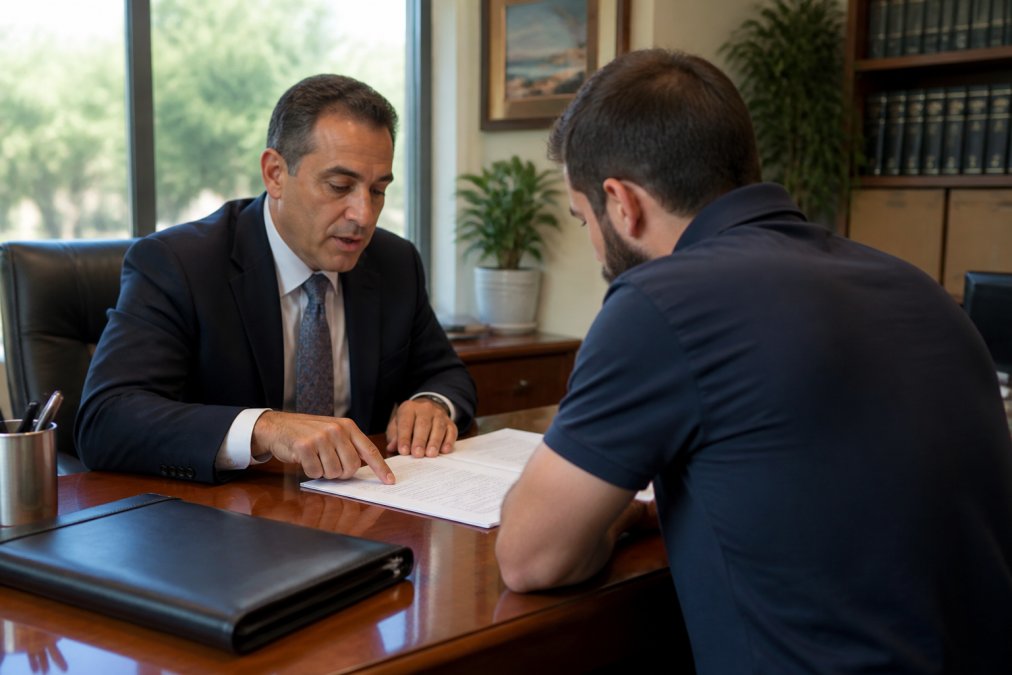
Selecting a bike accident attorney requires evaluating experience, track record, and compatibility. This decision directly impacts your compensation and the stress you experience throughout the process.
Key Qualifications to Look For
Experience with bike accident cases specifically matters more than general personal injury experience. Attorneys who regularly handle cycling accidents understand unique aspects: bike infrastructure hazards, dooring liability, and how juries perceive cyclist injuries. Ask how many bike accident cases they’ve handled and what results they achieved.
Verify the attorney’s license through the State Bar of California Attorney Search. Look for trial experience. While most cases settle, your attorney should be comfortable taking cases to trial. Check for recognition from Forbes, Newsweek, Super Lawyers, or Best Lawyers in America, indicating peer respect and successful outcomes.
Evaluate their understanding of local conditions. An attorney familiar with hazardous intersections and common accident patterns in your area can better establish negligence.
Questions to Ask Before Hiring
Ask about their success rate on accepted cases. A high success rate indicates careful case evaluation and strong advocacy. Inquire about communication style and availability. Will you speak directly with your attorney or primarily with a paralegal? How often will they update you?
Ask about bilingual representation if English isn’t your first language. Language barriers complicate legal proceedings. Discuss the contingency fee percentage explicitly and request a written fee agreement. Ask about litigation timeline and what factors extend timelines.
Why Legal Representation Matters for Your Bike Accident Claim
Insurance companies employ adjusters trained to minimize payouts. They know most injured cyclists don’t understand personal injury law and will accept lowball offers. An attorney levels this playing field and refuses inadequate settlement offers.
Insurance adjusters often deny or undervalue claims by arguing comparative fault. A bike accident attorney counters these arguments with evidence and legal precedent. Medical causation is frequently disputed. Your attorney obtains medical expert testimony establishing clear causation between the accident and your injuries.
Evidence preservation requires immediate action. Accident scenes change and witnesses move away. A bike accident attorney knows what evidence matters and moves quickly to preserve it. Litigation experience matters when settlement negotiations stall. An attorney comfortable with litigation pushes insurance companies toward fair settlements because they’ll take the case to trial if necessary.
Contact a bike accident attorney within days of your accident, not weeks. Early consultation preserves evidence, prevents insurance company manipulation, and ensures you meet all statutory deadlines. Many attorneys offer free initial consultations with no financial risk.
After a bike accident, you face medical recovery, financial stress, and complex legal questions simultaneously. Insurance companies exploit this vulnerability, offering settlements far below what injured cyclists deserve. A bike accident attorney protects your rights, handles negotiations, and pursues maximum compensation so you can focus on healing.
Abkarian Law Group has spent over 34 years fighting for injured cyclists throughout California. With a 99% success rate on accepted cases and zero-fee representation, they remove financial barriers to justice. Their bilingual staff and personalized case management ensure comprehensive support regardless of background or language preference. Get a free consultation today to understand your rights and what compensation you may recover.
Frequently Asked Questions
Can I sue someone for hitting me on a bike?
Yes. If a driver or another party's negligence caused your bike accident, you have the right to pursue a personal injury claim. You'll need to establish that the other party owed you a duty of care, breached that duty, and caused your injuries. A bike accident attorney can evaluate whether you have a viable case and help you understand your legal options for recovering compensation for medical expenses, lost wages, and pain and suffering.
How do contingency fee agreements work for bicycle accident lawyers?
With a contingency fee arrangement, your attorney advances the case costs and only collects a fee if you win your settlement or verdict. This means you pay nothing upfront, making legal representation accessible even if you're facing financial hardship from your injuries. Your attorney's fee comes directly from your recovery, aligning their incentive with yours. Before signing, ask about the specific percentage and what costs are covered.
What is the statute of limitations for personal injury claims in California?
In California, you generally have two years from the date of your bike accident to file a personal injury lawsuit. This deadline is critical, if you miss it, you lose your right to pursue compensation through the courts. However, certain circumstances may extend or shorten this period. Consulting with a bike accident attorney early ensures you understand your timeline and don't forfeit your claim.
What damages can I recover after a bicycle accident?
You may recover economic damages such as medical bills, lost wages, and property damage to your bike. You can also pursue non-economic damages including pain and suffering, emotional distress, and loss of enjoyment of life. In cases involving gross negligence or intentional conduct, punitive damages may apply. An experienced bike accident attorney can assess your specific injuries and losses to maximize your compensation.
This article was written using GrandRanker