
Do Lawyers Cherry Pick Injury Cases? What You Need to Know
Table of Contents
- What ‘Cherry Picking’ Actually Means in Personal Injury Litigation
- Why Personal Injury Lawyers Refuse Cases
- Personal Injury Case Acceptance Criteria: What Firms Actually Evaluate
- The Statute of Limitations for Personal Injury in California
- How Social Media and Digital Discovery Affect Case Screening
- Your Rights When Evidence Is Misrepresented or Withheld
- Frequently Asked Questions
Last Updated: September 12, 2026
What ‘Cherry Picking’ Actually Means in Personal Injury Litigation
To cherry pick injury cases is the practice of an attorney accepting only claims that are likely to produce a quick, high-value settlement while rejecting cases that require more work, carry more risk, or offer a smaller payout. The phrase gets thrown around a lot, and it’s worth separating what’s legitimate from what isn’t. This guide from Abkarian Law Group breaks down how case screening actually works, so you can tell the difference between a firm making a sound business decision and one abandoning a client who deserves representation.
Case selection is normal. Every firm, from a solo practitioner to a national litigation outfit, evaluates whether a claim has merit before investing time and money. The problem arises when that evaluation crosses into evidence manipulation or when a firm drops a client after promising to fight.
Case Selection vs. Evidence Selection: A Critical Distinction
Case selection is deciding which claims to accept based on merit, liability, and damages. It’s a business and ethical judgment made before a retainer is signed.
Evidence selection is choosing which facts to present, and which to downplay, during litigation. This is where the line between advocacy and misconduct sits. An attorney can argue that a client’s prior injury is unrelated to the current claim. An attorney cannot hide a medical record that directly contradicts that argument.
That distinction matters because “cherry picking” gets used to describe both. One is a legitimate intake decision. The other can constitute legal malpractice under ABA Model Rules of Professional Conduct if it involves withholding material evidence during discovery.
Why Personal Injury Lawyers Refuse Cases
A personal injury firm typically declines a case when liability is unclear, damages are too small to justify litigation costs, or the statute of limitations has passed. These aren’t arbitrary decisions. They reflect the economics of contingency-fee work, where the firm front-loads every expense and only gets paid if the case resolves successfully.
Liability Problems and Weak Evidence
When fault is contested, the burden of proof falls on the claimant. If there’s no police report, no independent witness, and no clear causation between the accident and the injury, a firm may conclude the case can’t be proven to a jury. That’s not cherry picking. It’s a realistic assessment of case merit.
Damages That Don’t Justify Litigation Costs
Soft-tissue injuries with minimal medical documentation often produce settlement offers that don’t cover the cost of expert witnesses, depositions, and trial preparation. A firm that takes every case regardless of economics won’t stay in business long enough to help anyone.
A firm that promises a specific settlement amount before reviewing your medical records and the police report is guessing. Get that number in writing, or treat it as marketing.
Personal Injury Case Acceptance Criteria: What Firms Actually Evaluate
Most firms run a claim through four filters: liability, damages, insurance coverage, and client credibility. If any one of those fails, the case gets declined or referred to another attorney.
A common approach is to score each factor. Strong liability plus strong damages plus adequate coverage equals an accepted case. Weak liability with strong damages may still get accepted if the client is sympathetic and the insurance policy is large enough.
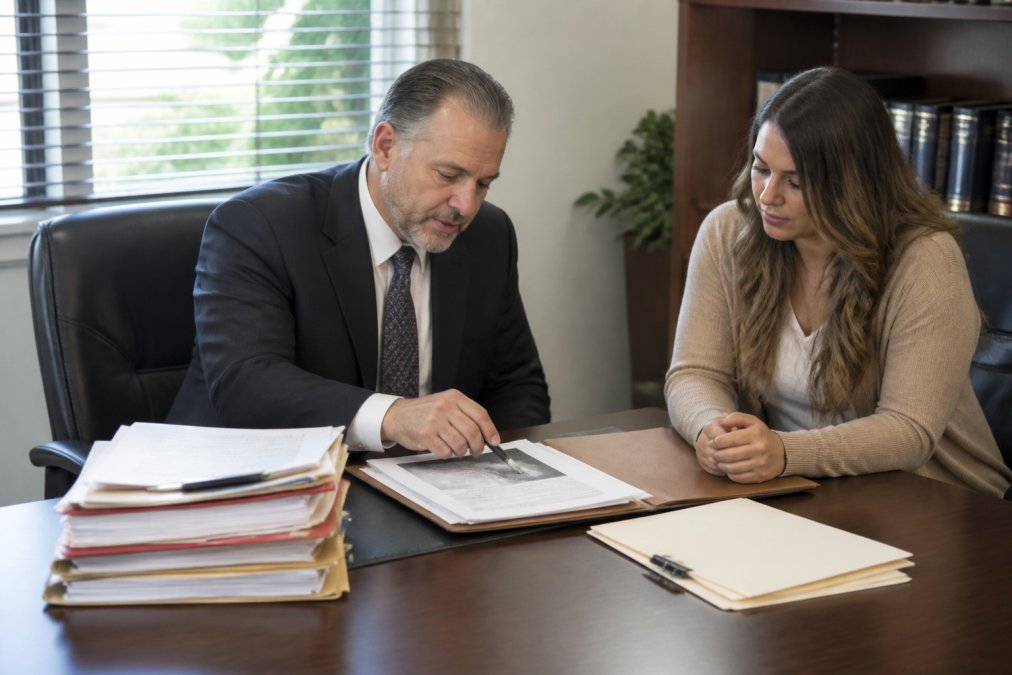
What most guides miss is that the decision to cherry pick injury cases and outright evidence manipulation get confused constantly. A firm declining a case because the claimant waited eight months to see a doctor is exercising judgment. A firm accepting the case and then hiding that gap from the defense is committing misconduct.
| Screening Factor | What Firms Look For | Red Flag |
|---|---|---|
| Liability | Clear fault, police report, witnesses | Contested fault, no documentation |
| Damages | Consistent medical treatment, objective findings | Gaps in treatment, soft-tissue only |
| Coverage | Adequate insurance policy limits | Uninsured defendant, minimal coverage |
| Credibility | Consistent account of the accident | Prior inconsistent statements |
The Statute of Limitations for Personal Injury in California
California gives injury claimants two years from the date of injury to file a personal injury lawsuit, with limited exceptions for delayed discovery and claims against government entities. Missing that deadline usually means losing the right to sue entirely.
The clock on a disability claim or a claim against a public agency runs differently. Government claims under the California Government Claims Act often require notice within six months. That’s why firms ask detailed questions during intake about when the injury occurred and who was involved. A case that looks strong on the merits can be worthless if the deadline has passed.
How Social Media and Digital Discovery Affect Case Screening
Social media discovery has changed how firms evaluate cases before they accept them. Defense counsel routinely subpoena posts, location data, and fitness app records to challenge claims of ongoing pain or limited mobility. These digital footprints often provide the leverage necessary for adjusters to justify insurance claim denials when evidence contradicts a plaintiff’s stated limitations.
A photo of a claimant hiking two weeks after a “debilitating” back injury can crater settlement value. Firms now review public profiles during case evaluation, not after litigation begins. Some decline cases where the client’s online activity directly contradicts the claimed injury.
The rise of AI-assisted document review has made this faster. Defense teams can process thousands of medical records and social posts in hours, flagging inconsistencies that used to take weeks to find. That cuts both ways: it exposes weak claims earlier, and it pressures firms to be more rigorous about the cases they accept.
Your Rights When Evidence Is Misrepresented or Withheld
If you believe your own attorney is withholding evidence, misrepresenting your case, or has abandoned you without cause, you are not without recourse. The remedies fall into four buckets, and they escalate in order of severity.
1. Demand your complete client file.
You are entitled to your file. In most jurisdictions, an attorney must return the client’s papers and property on request, and many state bars treat unreasonable delay as a disciplinary matter. Send the request in writing, keep a copy, and give a specific deadline. If the firm refuses or stalls, that refusal itself becomes evidence you can use in a bar complaint or fee dispute.
2. Move to compel or report the violation to the court.
If the withholding happens during litigation, the mechanism is a motion to compel under the applicable discovery rules. Courts can order production, award the moving party its attorney’s fees for the motion, and in serious cases impose issue or evidence sanctions, meaning the judge tells the jury to assume the withheld evidence would have hurt the withholding party. If you are the client and your own lawyer is the one withholding, you can retain separate counsel to raise the issue with the court.
3. File a bar complaint.
The State Bar of California accepts complaints against licensed attorneys at no cost, and the process is designed for consumers without legal training. the bar’s complaint process walks through the intake form, what to attach, and what happens after filing. Complaints about evidence withholding typically fall under the rules prohibiting obstruction of another party’s access to evidence and dishonest conduct. Discipline can range from a private reproval to suspension or disbarment. The bar complaint does not get your case resolved, it addresses the attorney’s license, but it creates a record and can pressure a firm to cooperate.
4. Pursue a malpractice claim or fee arbitration.
Legal malpractice in this context generally requires showing that the attorney breached the standard of care, that the breach caused you harm, and that you would have obtained a better outcome but for the breach. The statute of limitations for legal malpractice varies by state and is often shorter than the injury claim itself, in many jurisdictions it is one to two years from when you knew or should have known of the misconduct. Fee arbitration through a local or state bar is a faster, cheaper alternative when the dispute is about money the firm charged rather than the outcome of the case.
Do not wait to act. Malpractice deadlines, bar complaint windows, and discovery deadlines all run on their own clocks. A strong claim can become worthless if you sit on it while you decide what to do.
What to document, starting today:
- Every written communication with your attorney, saved with dates
- A timeline of what you told the firm and when
- Copies of any records you provided that later seem to have disappeared from the case
- The names of anyone else who heard the attorney make a representation about your case
A firm that screens cases carefully and then fights hard for the ones it accepts is doing exactly what it should. The flip side of that standard is accountability: when a firm crosses from advocacy into misrepresentation, the client has real, usable remedies, and using them is not disloyalty, it is the system working as designed.
Frequently Asked Questions
Why would a personal injury lawyer refuse to take my case?
Attorneys decline cases for several practical reasons: liability is unclear, the injury is pre-existing or hard to connect to the accident, the damages are too low to justify litigation costs, or the statute of limitations has passed. Under California law, the standard deadline for personal injury claims is two years from the date of injury, though exceptions exist. A refusal does not mean your injury is fake; it often means the economics or evidence make the case difficult to pursue on a contingency-fee basis.
Do attorneys only take cases they are guaranteed to win?
No. Personal injury attorneys work on contingency, meaning they only get paid if they recover compensation. This creates a financial incentive to accept cases with a reasonable likelihood of success, but no attorney can guarantee a win. Firms evaluate liability, damages, and available evidence during case screening. Cases with disputed fault or limited documentation may still be accepted if the potential recovery justifies the risk and effort involved.
What happens if my case is complicated and a lawyer drops it?
An attorney may withdraw if new evidence weakens the claim, if the client is uncooperative, or if the case becomes financially unviable. You have the right to seek other counsel. If you believe an attorney mishandled your case or misrepresented evidence, you may have grounds for a legal malpractice claim. California requires attorneys to act in their client’s best interest and communicate material developments that affect the case.
How can I tell if a law firm is cherry-picking cases or genuinely evaluating mine?
Ask direct questions during your consultation: What specific challenges do you see in my case? What evidence would strengthen it? What is your contingency fee structure? A firm that cherry-picks will often give vague answers or pressure you to sign immediately. A transparent firm will explain the strengths and weaknesses of your claim, outline the discovery process, and tell you what they need to move forward.
Not every firm will take your case, and not every decline is unfair. What matters is whether the firm evaluates your claim honestly and tells you why. Abkarian Law Group offers zero-fee representation on personal injury cases, personalized case management by senior attorneys, and 24/7 availability for clients across Southern California. Get started with Abkarian Law Group and find out where your case actually stands.