
7 Steps to Document Injuries for a Car Accident Claim
Last Updated: October 24, 2026
Quick Summary
To document injuries car accident, seek immediate medical care, collect all medical records and imaging, photograph visible injuries regularly, maintain a daily symptom journal, organize medical bills, and preserve all evidence in multiple locations. This documentation proves injury severity and links damages directly to the accident.
- Start a daily injury journal the day after the accident, recording pain levels, affected activities, sleep disruption, and treatment received.
- Take dated photos of visible injuries every few days for two weeks, then weekly for one month, including close-ups and scale references.
- Request and organize copies of all medical records, test results, imaging reports, and bills from every provider chronologically.
- Back up all digital files in two locations, such as your computer and cloud storage, using consistent file naming with dates.
- Do not post about the accident or injuries on social media, as insurers review public posts to challenge claims.
Table of Contents
- Why Documentation Matters for Your Car Accident Injury Claim
- Step 1: Seek Prompt Medical Care and Keep Emergency Room Records
- Step 2: Collect Diagnoses, Treatment Notes, and Medical Records
- Step 3: Save Imaging Records and Test Results
- Step 4: Use a Car Accident Injury Journal to Track Symptoms Daily
- Step 5: Document Injuries with Photographs and Progress Photos
- Step 6: Organize Medical Bills, Prescriptions, and Receipts
- Step 7: Create a Car Accident Injury Documentation Checklist
- Frequently Asked Questions
Why Documentation Matters for Your Car Accident Injury Claim
When you document injuries car accident, fair compensation depends on evidence. Insurers pay based on what you can prove, not your word or your pain.
The difference between a strong claim and a weak one almost always comes down to how well you document injuries car accident from day one, proving the accident caused them, their severity, and their ongoing impact.
Without solid documentation, adjusters argue your injuries weren’t serious or something else caused them, then lowball your settlement. Comprehensive records give your attorney the evidence to fight for full compensation. Learn how to choose the right lawyer to help you build and present your documented claim.
The stakes are real. Evidence standards for personal injury claims require clear documentation linking your injuries to the accident. This guide walks you through the seven essential steps to build that evidence.
Step 1: Seek Prompt Medical Care and Keep Emergency Room Records
Get medical attention immediately after the accident, even if you feel fine.
At the ER or urgent care, tell staff exactly what happened. Describe your pain, symptoms, and which body parts hurt, be specific and don’t downplay anything.
Ask for copies of all your emergency room records before you leave:
- The initial assessment and vital signs
- The doctor’s examination notes
- Any test results or imaging ordered
Keep these documents safe and photograph them as backup. The timestamp on your ER visit proves you sought treatment promptly, strengthening your claim.
Step 2: Collect Diagnoses, Treatment Notes, and Medical Records
After your ER visit, follow up with your primary care doctor or a specialist. This continuity of care shows your injuries are real and ongoing, not a one-time incident.
At each appointment, the doctor documents your diagnosis, reported symptoms and pain levels, examination findings, treatment recommendations, and progress or lack of progress.
Request copies of every medical record after each visit rather than waiting until the end, many offices will email them or provide them on the spot. Keep all these records organized chronologically. Medical record access rights give you the right to obtain your own records quickly and affordably.
Step 3: Save Imaging Records and Test Results
If your doctor orders imaging, those results are gold for your claim. X-rays, MRI scans, and CT scans provide objective proof of injury that can’t be argued away.
Common imaging after car accidents includes:
- X-rays of the spine, ribs, or limbs
- MRI scans to check soft tissue damage
- CT scans for more detailed internal imaging
Ask the imaging center for copies of the actual images plus the radiologist’s written report, which explains what the images show. Back up discs and save emailed files to both your computer and cloud storage.
Step 4: Use a Car Accident Injury Journal to Track Symptoms Daily
This step separates strong claims from weak ones. Many people stop documenting after a few days, a mistake, since insurers want proof your injuries are ongoing and affecting daily life.
Start a daily injury journal the day after your accident. The most useful entries answer five questions: what you felt, how severe it was, how long it lasted, what it stopped you from doing, and what treatment you received.
A Reusable Daily Injury and Symptom Log Template
Date and time of entry: [Month/Day/Year, time]
Duration: [How long symptoms lasted today: constant, intermittent, morning only, etc.]
Sleep: [Hours slept; number of awakenings; whether pain woke you]
New or changing symptoms: [Any numbness, tingling, headaches, dizziness, memory problems, mood changes]
Functional notes: [Missed work hours, canceled plans, help needed from family, assistive devices used]
Questions for my doctor: [Symptoms or concerns to raise at the next visit]
How to Handle Delayed Symptoms and Pre-Existing Conditions
Some injuries, whiplash, concussions, soft-tissue damage, may not produce symptoms until hours or days after the crash. Record the first day you notice each new symptom and what you were doing when it appeared; that dated entry helps link it to the accident.
If you had a prior injury in the same body area, disclose it accurately and describe how it changed since the crash. Note the baseline before the accident, the change after, and any earlier treatment.
Documenting Day-to-Day and Non-Economic Impacts
Pain-and-suffering evidence is stronger when concrete. Alongside pain scores, record how the injury changed your routine: sleep disruption, difficulty with household tasks, canceled social events, reduced exercise, reliance on others, and changes in mood or concentration.
Keep this journal for months, not weeks, many injury claims span six months to a year or more. A consistent log shows the insurer what that time was like and counters the argument that you recovered quickly because you stopped complaining.
Back up your journal weekly. If you use a paper notebook, photograph each page and store the images in a dated folder in cloud storage. If you use a spreadsheet or notes app, export a copy and save it under a file name that includes the date range, such as injury-log-2026-10-15-to-2026-11-15.
Do not post details about your injuries, treatment, or the accident on social media. Insurers and defense attorneys review public posts, and a photo or comment that appears inconsistent with your journal can undermine your claim. Keep your journal private and share it with your attorney rather than online.
Step 5: Document Injuries with Photographs and Progress Photos
Photos show the reality of your injuries in a way words can’t. Take photos of visible injuries starting the day after your accident and continue regularly.
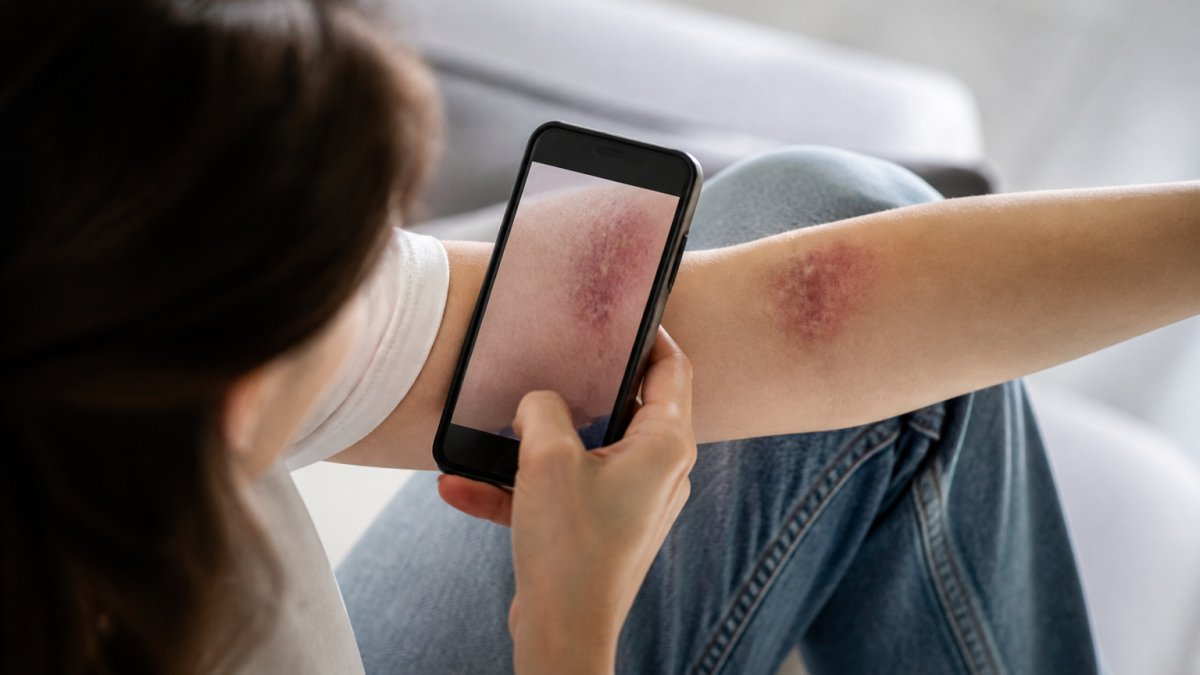
For the best photos:
- Use natural daylight or a bright lamp
- Take photos from multiple angles
- Include your face in some photos to show swelling or bruising
Take new photos every few days for the first two weeks, weekly for the next month, then monthly if injuries remain visible. This progression shows how your injuries changed over time.
Photograph your daily life too: your modified workspace, medical equipment (braces, ice packs, heating pads), medications, and mobility aids. These contextual photos prove how the accident disrupted your routine.
Step 6: Organize Medical Bills, Prescriptions, and Receipts
Every dollar you spend on accident-related medical care is part of your claim, doctor visits, medications, physical therapy, imaging, even over-the-counter pain relief. Keep every receipt and bill.
Create a spreadsheet to track your medical expenses:
| Date | Provider | Service | Amount |
|---|---|---|---|
| 10/15/2026 | Emergency Room | Initial exam and X-rays | $1,200 |
| 10/18/2026 | Primary Care | Follow-up visit | $150 |
| 10/20/2026 | Pharmacy | Pain medication | $45 |
| 10/25/2026 | Physical Therapy | Session 1 | $100 |
Keep original receipts in a folder and scan them as backup.
Medical expense documentation requirements for personal injury cases outline what documentation insurance companies must accept. Having organized, complete records speeds up the claims process.
Step 7: Create a Car Accident Injury Documentation Checklist
The final step is organizing everything into a claim-ready file and preserving it so nothing is lost, altered, or challenged later. This section gives you a chronological workflow, a preservation routine, and a checklist for your attorney.
A Chronological Evidence Workflow
Documentation is easier when you know what to collect and when. Use this timeline as a guide; your treatment schedule may differ.
Day of the crash: Get medical care. Save the police report number and the responding officer’s information.
First 72 hours: Obtain the emergency room or urgent care records, discharge instructions, and any imaging orders.
First two weeks: Follow up with a primary care doctor or specialist. Request records after each visit. Photograph visible injuries every few days.
First one to three months: Continue treatment and journaling. Collect imaging reports and discs. Track missed work and lost wages with employer documentation. Photograph any medical equipment, braces, or mobility aids you use.
Three months through claim submission: Request a complete set of medical records and bills from every provider. Organize everything by category and date. Review the file with your attorney before any settlement demand or recorded statement. Keep original documents and store digital copies in at least two locations.
How to Preserve Digital Evidence and Records
Digital records are easy to lose and easy to challenge if originals are missing. Follow these practices:
- Keep originals. Do not edit, crop, or apply filters to injury photos. Save the original files alongside any copies you use for organization.
- Name files consistently. Use a format such as 2026-10-15_ER-discharge-summary or 2026-10-18_injury-photo-left-arm. Consistent names make the file easy to search and authenticate.
- Back up in two places. Store copies on your computer and in cloud storage, or on an external drive and in the cloud. Check that backups actually open.
Privacy and Insurer Communication Cautions
Insurers may ask for a recorded statement, a blanket medical authorization, or social media access. You’re generally not required to give a recorded statement to the other driver’s insurer, and a blanket authorization can expose unrelated records.
Keep your documentation private. Do not post about the accident, your injuries, or your treatment on social media, and ask friends and family not to tag you in related posts.
Claim-Ready Documentation Checklist
Emergency and Initial Medical Care:
- Emergency room records and discharge papers
- Initial diagnosis from first doctor visit
- Imaging orders and reports
Ongoing Medical Documentation:
- Doctor’s notes from all follow-up visits
- Specialist evaluations and reports
- Physical therapy records and progress notes
Injury Evidence:
- Original injury photos, dated and organized
- Progress photos showing healing timeline
- Photos of daily life impact and medical equipment
Financial Documentation:
- Itemized medical bills and invoices
- Pharmacy receipts
- Insurance explanation of benefits forms
Accident and Scene Documentation:
- Police report
- Photos of vehicle damage and accident scene
- Witness contact information and statements
Digital and Communication Records:
- Backup copies of all digital files in two locations
- Portal messages and emails with providers and insurers
- Log of insurer requests and your responses
Once this documentation is organized, you’re ready to work with an attorney. Learn how long to get settlement money in California so you know what to expect after your claim is submitted.
Proper documentation transforms a weak claim into a strong one. It gives your attorney the ammunition needed to negotiate a fair settlement or win at trial if necessary. How to prepare evidence for a personal injury claim provides additional guidance on what courts and insurance companies expect.
The strongest claims are built on a timeline, not a pile of paper. Collect records as treatment happens, back up every digital file in two places, and keep a dated journal that connects your symptoms to your daily life. That combination is what insurers respect and what your attorney can use.
Frequently Asked Questions
What should I document immediately after a car accident injury?
Document the accident scene with photos of vehicle damage, road conditions, and traffic signs. If injured, seek medical care and keep the emergency room records and discharge paperwork. Photograph visible injuries and note the date, time, and location of the accident. Write down names and contact information of witnesses. This immediate documentation creates a strong foundation for your claim and helps establish causation between the accident and your injuries.
How should I keep a car accident injury journal?
Use a daily log to record pain levels (rate 1-10), physical limitations, medications taken, and how the injury affects your work and daily activities. Include the date, time, and specific details, for example, ‘Unable to lift left arm above shoulder; missed work Monday.’ Be consistent and honest. This car accident injury journal example shows insurers the extent of your injuries over time and strengthens claims for pain and suffering damages beyond medical bills.
What car accident medical records and bills do I need to keep?
Collect all emergency room records, discharge paperwork, doctor’s notes, diagnoses, treatment plans, and prescriptions. Save receipts and bills for all medical expenses, including physical therapy, imaging, and follow-up visits. Organize these chronologically in a folder or digital file. These car accident medical records and bills prove the cost and extent of your injuries and support your claim for medical expense recovery and ongoing treatment needs.
Can I document injuries that appear days after the accident?
Yes. Some injuries like whiplash or internal bruising appear delayed. Seek medical care promptly when symptoms emerge and get a doctor’s evaluation. Keep records that document the accident date and the date symptoms appeared. Note in your injury journal that pain began on a specific day after the crash. Medical records establishing causation between the accident and delayed symptoms are crucial for claims involving injuries that manifest over time.
