
Hiring a Wrongful Death Attorney in California: 2026 Guide
Table of Contents
- Why Hiring a Wrongful Death Attorney in California Matters
- Step 1: Confirm You Are Eligible to File a Wrongful Death Claim
- Step 2: Prepare for Your Wrongful Death Attorney Consultation
- Questions to Ask a Wrongful Death Lawyer Before You Hire
- Understanding Wrongful Death Attorney Fees in California
- What to Expect: Wrongful Death Lawsuit Timeline
- Step 3: Compare Firms and Avoid Misleading Claims
- Conclusion: Taking the Next Step Toward Justice
- Frequently Asked Questions
Last Updated: October 20, 2026
Why Hiring a Wrongful Death Attorney in California Matters
Losing a family member to someone else’s careless conduct is one of the hardest things a family can face. Hiring a wrongful death attorney in California matters because the legal process runs on deadlines, evidence, and proof standards that are unforgiving to families handling them alone. A wrongful death claim is a civil lawsuit filed by eligible survivors against the party whose negligent conduct caused a death. California law sets strict filing deadlines, and evidence like accident reports and witness statements fades fast. At Abkarian Law Group, we’ve spent more than 34 years helping Southern California families through this process.
The single most common mistake is waiting. Families often spend months on insurance company negotiations before calling a lawyer. By then, key witnesses have moved and surveillance footage has been overwritten. Delay rarely helps a claim.
Step 1: Confirm You Are Eligible to File a Wrongful Death Claim
Eligibility in California is defined by statute, and it does not include everyone who loved the deceased. Under the state’s wrongful death statute, the surviving spouse or domestic partner, children, and the deceased’s parents typically come first in line. If none of those parties exist, other relatives and dependents may qualify, including putative spouses and minor children who lived with the deceased and depended on them financially. A personal representative can also file on behalf of the estate in some circumstances. Family circumstances matter enormously here: stepchildren, half-siblings, and unmarried partners are treated differently, and the answer depends on the details of your relationship with the deceased.
Step 2: Prepare for Your Wrongful Death Attorney Consultation
A productive consultation starts with documents, not questions. Before you call, gather what you already have: the death certificate, any accident reports or police records, medical records related to the incident, insurance correspondence, and a written timeline of what happened. Write down the names of anyone who witnessed the event. You should leave understanding three things: whether you have a viable claim, who is eligible to file, and what the next 30 days should look like.
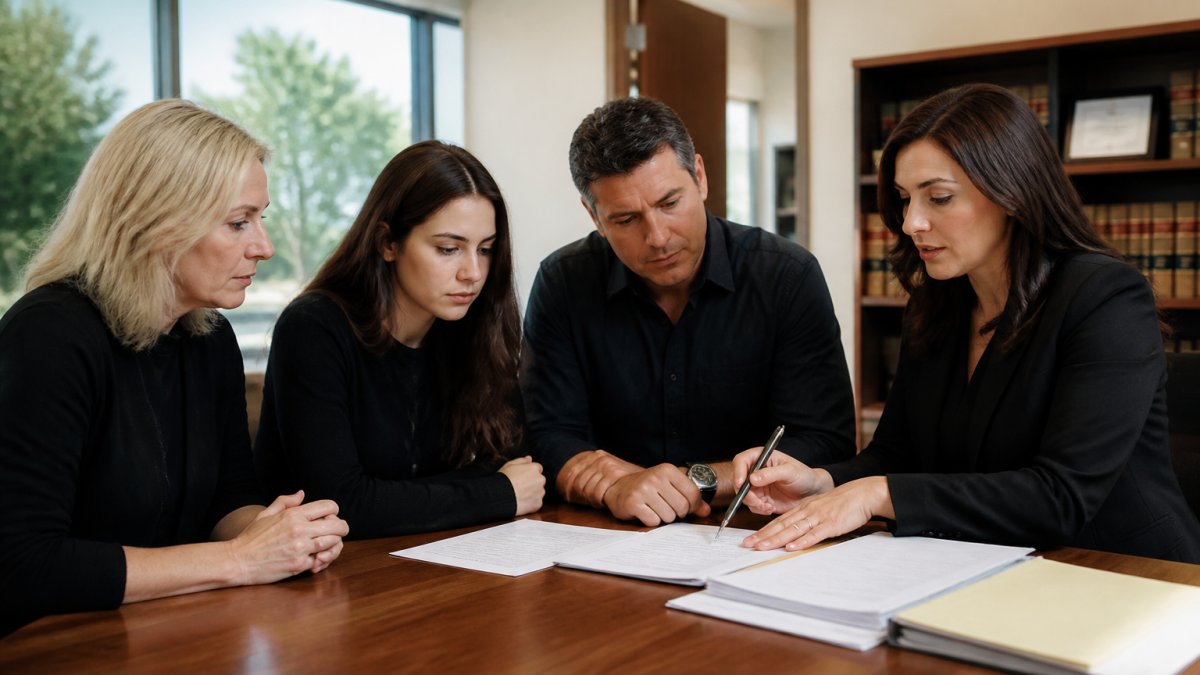
What to bring to the first meeting
Organize your materials in a single folder, physical or digital, so the attorney can move quickly from story to evidence. A practical checklist:
- Proof of death: certified death certificate.
- Incident records: police or accident reports, photographs, and any surveillance footage requests you have already made.
- Medical records: treatment history related to the incident, including the final hospitalization.
- Insurance correspondence: letters, claim numbers, and any settlement offers already made.
- Financial records: pay stubs, tax returns, and records of support the deceased provided.
- A one-page timeline: dates, parties, and treatment history in chronological order.
You do not need every document to schedule a consultation. Bring what you have and tell the attorney what is missing. A firm that pressures you to sign before reviewing records is showing you how it will handle the case.
How to evaluate the answers you get
Listen for specifics, not reassurance. A prepared attorney will explain the legal theory of your case, identify the potentially liable parties, and describe the evidence needed to prove each element. Ask how the firm would investigate, who would handle the file day to day, and what the realistic range of outcomes looks like. If the attorney cannot name the statute of limitations that applies or explain how it could be affected by the circumstances of the death, that is a warning sign. If the conversation focuses on a settlement figure before any records are reviewed, treat that as marketing rather than analysis.
What a good consultation should accomplish
By the end of the meeting, you should be able to answer four questions: Do I have a claim worth pursuing? Who in my family is eligible to file? What are the next three concrete steps? And what will this representation cost me if the case succeeds and if it does not? If any of those answers is vague, ask again. A firm that welcomes the follow-up questions is a firm worth considering.
Bring a one-page timeline to your consultation. Attorneys can evaluate a claim far faster when dates, parties, and treatment history are already organized.
Questions to Ask a Wrongful Death Lawyer Before You Hire
The right questions separate a prepared firm from a persuasive one. Ask directly: Who will actually handle my case day to day, and will a senior attorney stay involved? What is your experience with claims involving this type of negligent conduct? How do you handle investigation, and will you front the cost of experts? How do you communicate, and in what language? What is your honest read on liability and on the at-fault party’s insurance coverage? Ask how many cases the firm accepts and what happens if the case goes to trial rather than settlement. A firm that answers these clearly, without pressure, is a firm worth considering. One that dodges the fee and staffing questions is not.
Understanding Wrongful Death Attorney Fees in California
Most wrongful death firms work on a contingency fee, meaning you pay nothing upfront and the fee comes out of the recovery if there is one. That structure is common in personal injury and wrongful death work, but the details vary by firm and should be in writing before you sign anything. Ask for the percentage, whether it changes if the case goes to trial, and which case costs are advanced by the firm versus deducted from your share. Costs can include accident reconstruction, medical record retrieval, and expert witness fees. A zero-fee representation arrangement removes the upfront financial barrier, but it does not remove the need to read the agreement carefully.
How a contingency fee actually works
A contingency fee is a percentage of the gross recovery, not of your net check. The arithmetic matters: if the firm recovers a settlement, the fee percentage is calculated first, then case costs are reimbursed, and the remainder goes to the client, subject to any liens. A common pattern is a lower percentage if the case settles before a lawsuit is filed and a higher percentage if it proceeds to litigation or trial. Ask the attorney to walk through a hypothetical recovery so you can see the math in dollars, not just percentages. The written agreement should state the percentage, when it increases, and how costs are treated.
Who pays case costs if the case is unsuccessful
This is the question families most often forget to ask. In a typical contingency arrangement, the firm advances investigation and expert costs and is reimbursed from the recovery. If the case produces no recovery, the agreement should state clearly whether the client owes those costs. Some firms absorb them; others seek reimbursement. The answer belongs in the written agreement, not in a verbal assurance. Ask for it in writing and read that clause before you sign.
What the written fee agreement should disclose
A well-drafted agreement will identify the attorneys and staff responsible for the file, state the contingency percentage and any trial or appeal adjustments, describe how costs are advanced and reimbursed, explain how liens and medical bills are handled, and set out how the client can terminate the representation. If any of those terms is missing or vague, ask for clarification before signing. A firm that resists putting the terms in writing is telling you something about how it will communicate later.
| Fee Question | What to Ask | Why It Matters |
|---|---|---|
| Contingency percentage | What is the rate before and after filing suit? | Rates often change at litigation stages |
| Case costs | Who advances investigation and expert fees? | Costs can reduce your net recovery |
| Settlement vs. trial | Does the fee increase if the case goes to trial? | Affects strategy and net proceeds |
| Lien resolution | How are medical liens handled? | Unresolved liens can delay your payout |
| Unsuccessful case | Do I owe costs if there is no recovery? | Determines your financial exposure |
Ask the attorney to show you the fee agreement before the consultation ends. Reading it while the conversation is fresh is easier than reviewing it alone at home.
What to Expect: Wrongful Death Lawsuit Timeline
Timelines vary widely, and any attorney who promises a specific date is guessing. A wrongful death lawsuit generally moves through investigation, filing, discovery, settlement negotiations, and, if needed, trial. Straightforward claims with clear liability and adequate insurance coverage sometimes resolve through pre-suit settlement. Contested claims involving disputed causation, multiple defendants, or limited insurance coverage take longer. The statute of limitations is the hard boundary: California sets a filing deadline for wrongful death claims, and missing it can permanently bar recovery. Because the deadline can be affected by the circumstances of the death, confirm the applicable date with counsel early. Build your expectations around milestones, not calendar promises.
Ask your attorney what the next concrete milestone is and when you will hear from them. Firms that commit to scheduled updates, not just “we’ll call you,” tend to manage cases more predictably.
Step 3: Compare Firms and Avoid Misleading Claims
Compare firms on substance, not slogans. Every firm claims to treat clients like family; few can show you how. Ask for specifics: how many wrongful death cases the firm has handled, whether the attorney you meet is the attorney who will work your file, and how the firm communicates in writing. Be cautious of any firm that guarantees a result, quotes a settlement figure before reviewing records, or pressures you to sign during the first meeting. A 99% success rate on accepted cases, for example, is a meaningful number only alongside an honest explanation of which cases the firm accepts and why. Trust your read of the conversation, and never let urgency override diligence.
Conclusion: Taking the Next Step Toward Justice
The hardest part of a wrongful death claim is usually the first phone call. You do not need to have the documents organized or the legal theory worked out; you need a conversation with counsel who will tell you honestly where you stand. Abkarian Law Group offers a free consultation, zero-fee representation on accepted personal injury matters, and bilingual staff who can explain every step in your language. Our team has more than 34 years of experience and is available around the clock to answer questions. Get started with Abkarian Law Group and take the first step toward holding the at-fault party accountable.
Frequently Asked Questions
How hard is it to win a wrongful death suit in California?
Winning a wrongful death suit depends on proving negligence: duty of care, breach, causation, and damages. Strong evidence like accident reports, medical records, and witness statements improves your odds. An experienced wrongful death attorney can investigate, preserve evidence, and build a compelling case. Many claims settle before trial, but having a lawyer ready to litigate protects your family’s interests. Abkarian Law Group reports a 99% success rate on accepted cases, reflecting careful case selection and thorough preparation.
What should I bring to a wrongful death attorney consultation?
Bring any accident reports, medical records, death certificate, witness contact information, insurance correspondence, and documentation of financial losses such as pay stubs and funeral bills. Also prepare a timeline of events and a list of surviving family members. Having these documents helps the attorney evaluate liability and damages quickly. During the consultation, ask about fees, case timeline, and the attorney’s experience with wrongful death claims. Most initial consultations are free, so you can gather information without obligation.
How are wrongful death attorney fees typically handled?
Most wrongful death attorneys work on a contingency fee basis, meaning you pay nothing upfront and the fee is a percentage of the recovery, typically 33% to 40% depending on whether the case settles or goes to trial. If there is no recovery, you generally owe no attorney fee. Case costs like filing fees and expert witnesses may be advanced by the firm and reimbursed from the settlement. Always ask for a written fee agreement that details percentages and cost responsibilities before hiring.
How long does a wrongful death lawsuit take in California?
The timeline varies widely. Many wrongful death cases settle within 12 to 24 months, while cases that go to trial can take two to three years or longer. Factors include the complexity of liability, the number of parties, and court scheduling. California’s statute of limitations for wrongful death is generally two years from the date of death, so filing promptly is critical. An attorney can give you a more specific estimate after reviewing your case and the insurance company’s response.