
How to Choose a Personal Injury Lawyer for Dog Bite Cases
Table of Contents
- Why Selecting the Right Personal Injury Lawyer Matters for Dog Bite Cases
- Understanding Strict Liability and State-Specific Dog Bite Laws
- What to Do After a Dog Attack: Immediate Steps and Documentation
- Critical Credentials and Experience to Look For
- Essential Personal Injury Lawyer Consultation Questions
- Dog Bite Statute of Limitations and Why Timing Matters
- Evaluating Settlement Track Records and Trial Readiness
- Contingency Fee Structures and What They Mean for You
- Frequently Asked Questions
Last Updated: September 23, 2026
Why Selecting the Right Personal Injury Lawyer Matters for Dog Bite Cases
Choosing the right personal injury lawyer [dog bite cases](/dog-bite-accidents/) can mean the difference between a fair settlement and one that leaves you struggling with medical bills. Dog bite injuries cause permanent scarring, infection, and psychological trauma.
Understanding Strict Liability and State-Specific Dog Bite Laws
Most states follow strict liability for dog bites, meaning the dog owner is responsible for injuries their dog causes, even if the dog has never bitten anyone before. You don’t have to prove the owner was careless, just that the dog bit you and caused injury.
What to Do After a Dog Attack: Immediate Steps and Documentation
Take these steps immediately after a dog bite:
- Get medical attention right away; a doctor’s report becomes evidence.
- Report the bite to animal control or local police and get a report number.
- Take photos of injuries from multiple angles and as wounds heal.
- Get the dog owner’s name, address, phone number, insurance information, and witness contact details.
- Keep detailed records of all medical visits, treatments, prescriptions, and costs.
- Document how the injury affects your daily life (missed work, pain, activities you can’t do, emotional impact).
- Do not post about the incident on social media.
Critical Credentials and Experience to Look For
Not every personal injury lawyer is equipped to win a dog bite case. Board Certification signals expertise, a lawyer certified in personal injury law by the state bar has passed additional testing and stays current on legal changes.
Essential Personal Injury Lawyer Consultation Questions
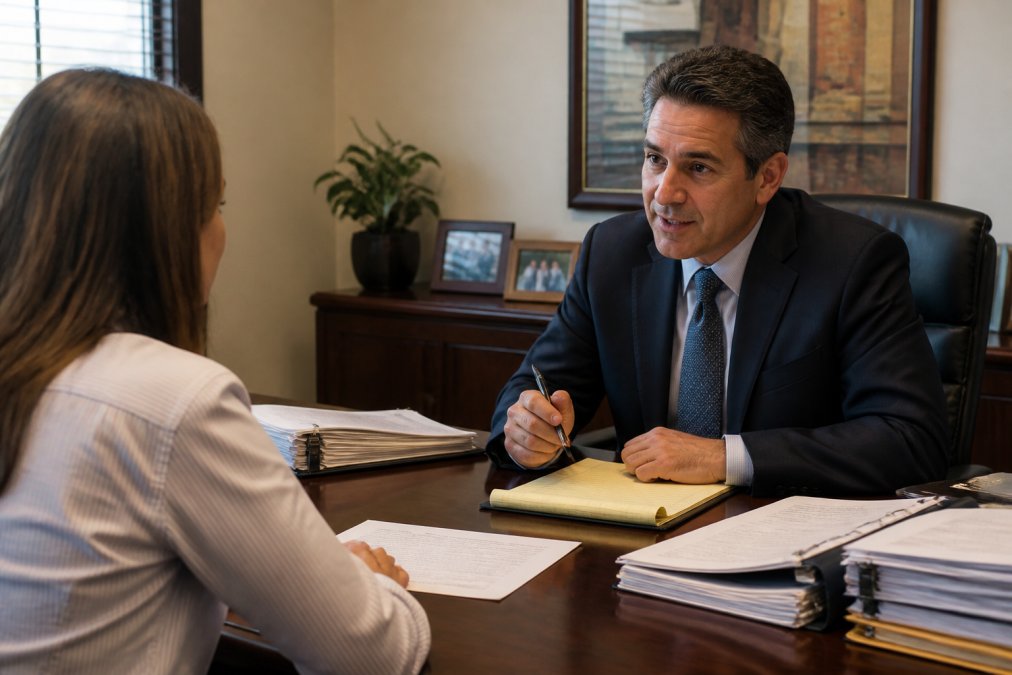
Your initial consultation is your chance to evaluate whether this lawyer is right for you. Come prepared with these questions and know what good answers sound like versus warning signs.
Experience and Track Record
Ask about their experience:
- How many dog bite cases have you handled in the last three years?
- How many of those cases went to trial versus settled?
- What was the outcome of your last three dog bite cases? (Specific dollar amounts or verdicts.)
- Have you handled cases involving permanent scarring, disfigurement, or psychological trauma?
- Do you have experience with cases where the dog owner’s homeowner’s or renter’s insurance denied coverage?
What to listen for: Specific numbers and recent cases. If they can’t name three recent outcomes, that’s a red flag, a lawyer who can’t try cases has less leverage in negotiations.
Approach and Strategy
Ask about their method:
- How do you evaluate whether a case is worth taking on contingency?
- What’s your strategy for establishing liability in dog bite cases?
- How do you handle insurance company lowball offers or bad faith denials?
- Will I work directly with you or primarily with an associate or paralegal?
- How do you approach cases where comparative negligence might apply (e.g., the victim was trespassing or ignored warning signs)?
What to listen for: A lawyer who understands your state’s liability rules and can explain how it helps your case. Vague answers about who you’ll work with directly suggest you won’t get personal attention.
Fees, Costs, and Financial Terms
Ask about money:
- Do you work on contingency? What percentage do you take if we settle? What if we go to trial?
- Are there different fee percentages for settlement versus trial? (Some lawyers charge 25% for settlement but 33-40% for trial work.)
- Who pays for expert witnesses, medical records, court filing fees, and other litigation costs upfront?
- If we lose or the case is dismissed, do I owe you anything or reimburse costs?
- Are there any other fees I should know about (administrative fees, document review fees, etc.)?
What to listen for: Standard contingency fees range from 25-40%, with trial cases at the higher end. The lawyer should advance all costs. Get the fee agreement in writing before signing.
Timeline and Statute of Limitations
Ask about timing:
- What is the statute of limitations for my specific case in this state?
- How long do cases like mine typically take from start to finish?
- What are the main phases (investigation, demand letter, negotiation, filing, discovery, trial)?
- When would we likely go to trial if settlement doesn’t work out?
- How much time do you need to investigate before we approach the insurance company?
What to listen for: The lawyer should know your state’s statute of limitations without looking it up. Most dog bite cases take 1-3 years.
Communication and Case Management
Ask about staying informed:
- How often will you update me on my case (weekly, monthly, as milestones occur)?
- Can I reach you directly or will I work through a paralegal or case manager?
- How do you prefer to communicate, phone, email, in-person meetings?
- What happens if I have questions or concerns between updates?
- Will you personally handle my case or will it be delegated?
What to listen for: You want regular updates and a clear communication channel. A lawyer who is hard to reach is a problem.
Red Flags During Consultation
Pay attention to how the lawyer answers:
- Pressure to sign immediately. A good lawyer gives you time to think.
- Vague answers about experience. “I’ve handled lots of dog bite cases” without specifics is a warning.
- Dismissing your concerns. That’s a sign they won’t listen to you.
- Guaranteeing an outcome. No ethical lawyer can promise a specific settlement or verdict.
- Unwillingness to discuss fees in detail. You deserve clarity on what you’ll pay.
- No clear explanation of your state’s dog bite laws. They should explain strict liability or one-bite rules.
- Reluctance to discuss trial experience. Discomfort with courtroom work suggests they don’t do much of it. (Source: American Veterinary Medical Association (AVMA) guidelines on animal behavior)
Consultation Preparation Checklist
Bring these documents and information to your consultation:
- Medical records: All doctor visits, emergency room reports, imaging, prescriptions, and bills related to the bite.
- Photos: Images of the wound immediately after the bite, during healing, and current scars or disfigurement.
- Incident documentation: Animal control report, police report (if filed), witness contact information, and the dog owner’s insurance information.
- Communication records: Emails, texts, or letters from the dog owner or their insurance company.
- Work records: Documentation of missed work days and lost wages.
- Psychological impact: Notes on how the injury has affected your daily life, activities you can’t do, sleep disruption, anxiety, or PTSD symptoms.
- List of questions: Write down your specific concerns and questions beforehand so you don’t forget them.
A lawyer who reviews these documents carefully during your consultation is taking your case seriously.
Dog Bite Statute of Limitations and Why Timing Matters
The statute of limitations is the absolute deadline for filing a lawsuit. For dog bite cases, it typically allows two to three years from the date of injury. Contact a personal injury lawyer dog bite within weeks of your injury to investigate, gather evidence, and explore settlement options before the deadline.
Evaluating Settlement Track Records and Trial Readiness
Ask about settlement and trial history to understand what to realistically expect and whether they can handle the full scope of a dog bite claim.
Settlement Track Record and Negotiation Strength
Ask about settlement track record: average settlement amounts for cases like yours, highest settlements in the last three years, and what percentage of cases settle versus go to trial. Ask for examples matching your injury profile.
Recognizing Insurance Bad Faith Tactics
Common bad faith tactics include:
-
Lowball initial offers. An insurance adjuster offers 20-30% of what a case is worth, hoping you’ll accept out of desperation. A good lawyer knows the realistic range.
-
Requesting excessive documentation. The insurer asks for information beyond what’s reasonable to delay the process.
-
Denying coverage outright. The insurance company claims the policy doesn’t cover dog bites. This requires a lawyer to challenge.
-
Disputing causation. The insurer argues your injuries weren’t caused by the dog bite. This requires medical evidence to refute.
-
Delaying response. The insurance company takes months to respond to settlement demands.
-
Requesting independent medical exams. The insurer hires a doctor to downplay your injuries. A strong lawyer prepares you and has their own expert ready to counter.
-
Attacking your credibility. The insurance company digs into your background or social media to suggest you’re exaggerating.
Ask directly: “Have you dealt with bad faith denials or lowball offers in dog bite cases? How did you handle them?” A lawyer with experience will give specific examples.
Trial Readiness and Courtroom Experience
Ask about recent trial experience: How many dog bite cases have you tried to verdict in the last five years? Describe one trial and its verdict. Insurance companies offer fair settlements when they know you’re serious about trial. Red flags include never trying a dog bite case, dismissing trial preparation, or giving vague answers about verdicts.
Psychological Trauma and Comprehensive Damage Assessment
Many dog bite victims experience lasting psychological trauma, PTSD, anxiety, dog phobia, and depression (pubmed.ncbi.nlm.nih.gov). Ask your potential lawyer: Do you work with mental health professionals to document psychological trauma? If a lawyer dismisses psychological injury, that’s a red flag.
Medical Evidence and Expert Witnesses
Ask about medical experts: What specialists do you work with? How do you use medical evidence to establish severity and long-term impact? A lawyer with strong trial experience has a network of credible experts and knows how to build a compelling narrative about injury and recovery.
Settlement Negotiation vs. Trial Strategy
A lawyer genuinely ready for trial has more leverage in settlement negotiations. Ask: “If we can’t reach a fair settlement, are you prepared to take this to trial?” A confident answer backed by real trial experience tells you that you have a lawyer who will fight for you.
Contingency Fee Structures and What They Mean for You
A contingency fee agreement means you don’t pay your lawyer unless you win or settle. Your lawyer takes a percentage of your settlement or verdict (typically 25-40%), covers costs upfront, and you receive the remaining amount. Ask what percentage applies to your case and whether it changes if the case goes to trial. Ask who pays for costs.
Frequently Asked Questions
What is the statute of limitations for filing a dog bite lawsuit?
The dog bite statute of limitations varies by state, typically ranging from 2 to 4 years from the date of the attack. In California, the standard is 2 years for personal injury claims. However, if the injury was not immediately apparent, the clock may start from when you discovered the injury. Your personal injury lawyer can clarify the exact deadline for your case, as missing this window eliminates your right to sue. Contact an attorney immediately after an attack to ensure you preserve your claim.
What should I ask a personal injury lawyer during an initial consultation?
Ask about their trial experience with dog bite cases, their success rate on similar claims, how they evaluate damages (medical costs, pain and suffering, scarring), their litigation strategy, timeline expectations, and fee structure. Inquire whether they handle settlement negotiations or prefer trial, how they assess insurance bad faith tactics, and who will manage your case day-to-day. Request references from past dog bite clients and clarify communication frequency. These consultation questions reveal whether the lawyer has the expertise and resources to maximize your compensation.
How much compensation can I expect from a dog bite settlement?
Compensation depends on injury severity, medical costs, permanent scarring or disfigurement, psychological trauma, lost wages, and your state’s liability laws. Damages include medical bills, reconstructive surgery costs, pain and suffering, and punitive damages if the owner acted recklessly. Strict liability states award damages more readily than comparative negligence states. Your personal injury lawyer evaluates medical records, expert witness testimony, and insurance company offers to value your claim accurately. Settlement amounts vary widely; your attorney will compare your case to similar verdicts and settlements to project realistic compensation.
What should I do immediately after a dog bite attack?
First, move to safety and seek immediate medical attention, even for minor bites. Document the scene with photos of wounds, the dog, and the location. Get the dog owner’s contact information and homeowner’s insurance details. Collect witness names and contact information. Report the bite to animal control and request a written report. Keep all medical records, bills, and photos. Do not communicate directly with the dog owner’s insurance adjuster without legal counsel; they may use your statements against you. Contact a personal injury lawyer within days to preserve evidence and protect your rights before the statute of limitations expires.