
How to Determine Fault in a Rideshare Accident
Table of Contents
- What Happens Immediately After a Rideshare Accident
- Understanding Comparative Negligence in Car Accidents
- How to Determine Fault in a Rideshare Accident
- Evidence Needed for Rideshare Injury Claims
- How to File an Uber Accident Claim
- Common Mistakes to Avoid After a Rideshare Accident
- Conclusion
Last Updated: August 20, 2026
What Happens Immediately After a Rideshare Accident
The first 24 hours after a rideshare accident are critical. Your actions during this period directly influence how fault gets determined and what compensation you might ultimately receive.
Start by prioritizing safety. If anyone is injured, call 911 immediately. Move to a safe location away from traffic if possible, but do not leave the scene. The driver must remain at the accident location as well, rideshare drivers have a legal obligation to stay, just like any other motorist.
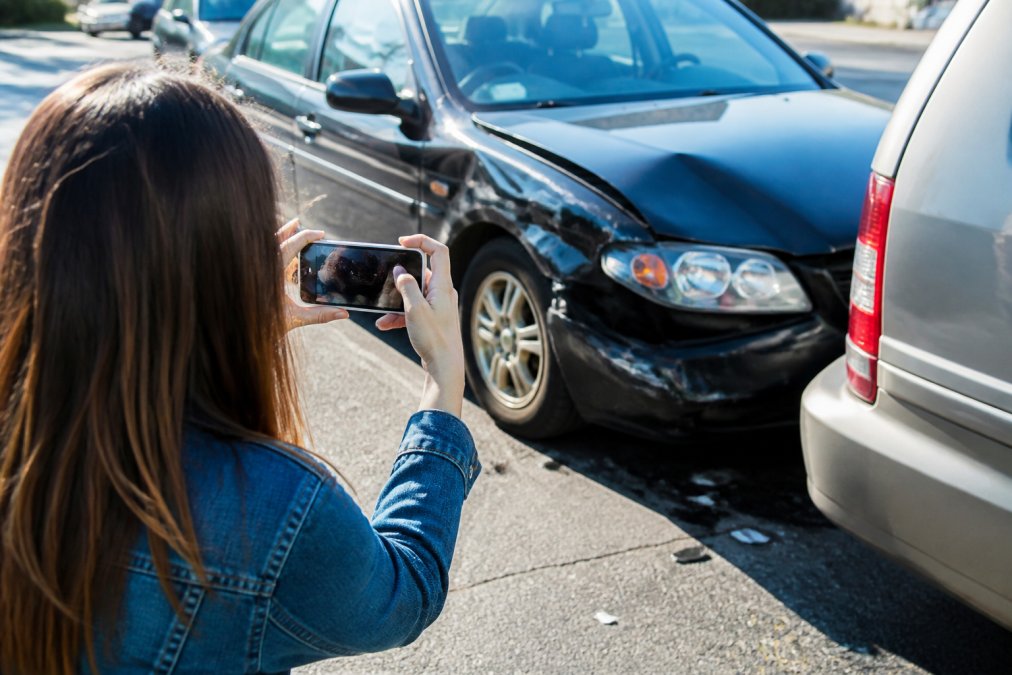
Document everything while memories are fresh. Take photos and videos of vehicle damage, road conditions, traffic signals, and the overall accident scene from multiple angles. Capture the other vehicle’s license plate, make, model, and color. Get the names, phone numbers, and addresses of all drivers and passengers involved. Write down the time, date, weather conditions, and any visible traffic violations or hazards that contributed to the accident.
Request that police come to the scene. A police report becomes critical evidence for determining fault in a rideshare accident. The officer’s observations and citations issued at the scene carry substantial weight in insurance investigations.
Do not admit fault or apologize for the accident. Even saying "I’m sorry" can be interpreted as an admission of liability later. Stick to factual statements about what happened.
Seek medical attention even if you feel fine. Some injuries appear hours or days after an accident. A medical evaluation creates a documented record linking your injuries directly to the accident, which becomes essential evidence for your claim.
Understanding Comparative Negligence in Car Accidents
California follows a comparative negligence standard, which fundamentally shapes how fault gets determined in rideshare accidents. Under this framework, you can recover damages even if you were partially at fault, as long as you were not more than 50% responsible for the accident. If you were 30% at fault and the other driver was 70% at fault, you can recover 70% of your total damages. However, if you were 51% or more at fault, you cannot recover any damages.
This means the determination of fault directly impacts your financial recovery. A 20% reduction in your assigned fault percentage could mean tens of thousands of dollars in additional compensation. Insurance adjusters understand this, which is why they often try to assign higher fault percentages to injured parties.
In a rideshare accident, fault might be distributed among the rideshare driver, the other motorist, the rideshare company, or even a third party like a vehicle manufacturer if a mechanical failure contributed to the accident. Evidence of comparative negligence includes traffic violations, witness statements, accident reconstruction analysis, and driver behavior at the time of the accident.
How to Determine Fault in a Rideshare Accident
Determining fault in a rideshare accident requires a systematic approach to evidence collection and analysis. Unlike standard car accidents, rideshare accidents involve additional complexity because the app status, driver logs, and platform data all factor into liability determinations.
The Role of Police Reports in Fault Determination
A police report serves as an official record of the accident investigation. The responding officer documents vehicle damage, witness statements, traffic signal status, road conditions, and any violations observed. Citations issued at the scene create presumptive evidence of negligence.
The police report is not the final word on fault, but it establishes a factual baseline. Insurance adjusters use it to understand the accident sequence. Request the complete accident report, including the officer’s narrative, witness statements, and any diagrams, within days of the accident.
How Rideshare App Status Affects Liability
The app status at the time of the accident, whether the driver was actively on a ride, waiting for a ride request, or offline, directly affects insurance coverage and liability determination. When the app is on and the driver is actively transporting a passenger, the rideshare company’s commercial insurance typically covers the accident. When the app is off or the driver is waiting between rides, personal auto insurance applies.
The rideshare platform maintains detailed logs of app status, driver location, and passenger pickup and drop-off times. This digital evidence proves whether the driver was operating as a commercial rideshare driver at the time of the accident. If app status is unclear or disputed, the rideshare company’s records become the controlling evidence.
Insurance Adjusters and Fault Assessment
Insurance adjusters investigate accidents to determine fault percentages and liability exposure. They review the police report, medical records, witness statements, and photographs to reconstruct what happened. get a hire car.
Adjusters have significant discretion in interpreting evidence. Do not assume the adjuster’s initial fault determination is accurate. Insurance companies have financial incentives to assign high fault percentages to injured parties. Challenge determinations you believe are incorrect by providing additional evidence, witness statements, or expert analysis.
If you disagree with the adjuster’s fault assessment, provide written documentation explaining why their determination is inaccurate. Reference specific evidence from the police report, witness statements, or accident reconstruction analysis. Many adjusters will reconsider their initial determination when presented with compelling contradictory evidence.
Evidence Needed for Rideshare Injury Claims
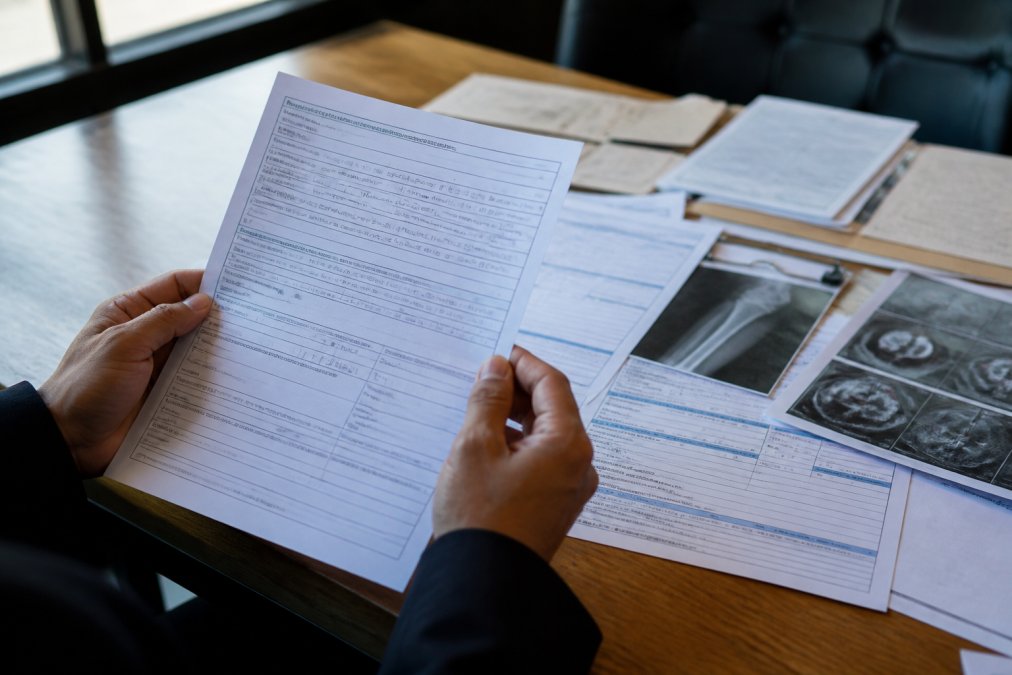
Building a strong rideshare injury claim requires gathering multiple categories of evidence that collectively demonstrate fault and quantify damages. The more comprehensive your evidence, the stronger your negotiating position with insurance companies.
Physical Evidence at the Scene
Physical evidence captured immediately after the accident creates an objective record of what happened. Photographs and videos of vehicle damage patterns reveal the direction and force of impact, which helps reconstruct the accident sequence.
Document the final resting positions of all vehicles involved. Photograph skid marks, debris fields, and any objects struck during the accident. Capture the accident location from multiple angles, including wide shots showing the intersection or road configuration and close-ups of specific damage areas. Preserve physical evidence by not allowing vehicles to be repaired or scrapped until a thorough investigation is complete.
Digital Evidence and Telematics Data
Modern vehicles generate digital data that provides objective evidence of driver behavior immediately before and during an accident. This telematics data includes vehicle speed, acceleration, braking force, steering angle, and seat belt status.
Request telematics data from the rideshare driver’s vehicle, your vehicle if you owned it, and the other driver’s vehicle. Rideshare platforms also maintain GPS data showing the vehicle’s precise location and route. Cell phone records can establish whether either driver was distracted at the time of the accident. Surveillance video from nearby businesses, traffic cameras, or private residences may have captured the accident and often proves the accident sequence more definitively than any other evidence type.
How to File an Uber Accident Claim
Filing a rideshare accident claim involves notifying the appropriate insurance company and providing comprehensive evidence within required timeframes. Notify the rideshare company immediately through their app or website and document the date, time, and method of your notification.
Contact the rideshare driver’s personal auto insurance company if the driver was offline at the time of the accident. File a claim with your own auto insurance company as well, as your uninsured or underinsured motorist coverage may apply if the at-fault driver lacks sufficient insurance.
Provide all evidence to the insurance companies handling the claim. Submit the police report, photographs, medical records, witness statements, and any expert analysis. Keep copies of everything you submit and maintain a detailed timeline of all communications.
Do not accept the initial settlement offer if you believe it undervalues your claim. Insurance companies often make low initial offers expecting injured parties to accept without negotiation. Consult with a personal injury attorney before accepting any settlement, particularly if your injuries are significant.
Common Mistakes to Avoid After a Rideshare Accident
Many injured parties inadvertently undermine their claims through mistakes made in the days and weeks following an accident.
Do not post about the accident on social media. Insurance adjusters monitor social media accounts for statements or photographs that contradict injury claims. Do not communicate directly with the other driver’s insurance company without legal representation. Do not delay seeking medical treatment, as insurance companies argue that gaps in medical treatment indicate your injuries were not serious.
Do not accept the rideshare company’s initial liability determination without question. Do not destroy or discard evidence. Keep the damaged vehicle intact until the investigation is complete and preserve all medical records, receipts, and documentation related to your injuries and treatment. Do not sign any documents without understanding their implications, and do not assume you cannot recover damages if you were partially at fault.
Law firms specializing in personal injury litigation understand how insurance companies approach fault determination. With extensive experience in personal injury litigation, they know how to challenge unfair fault assessments and work to secure compensation for their clients. A strong track record on accepted cases often reflects a commitment to thorough investigation and aggressive representation.
Determining fault in a rideshare accident requires understanding comparative negligence law, gathering comprehensive evidence, and challenging insurance company determinations that undervalue your claim. Abkarian Law Group offers free consultations to evaluate your case, and we represent clients on a contingency basis, you pay nothing unless we recover compensation for you. Contact us today to discuss how we can help you secure the settlement you deserve.
Frequently Asked Questions
Should I admit fault at the scene of a rideshare accident?
No. Avoid making any statements about fault or liability at the accident scene. Stick to factual observations: what you saw, where the vehicles were, and what happened. Even an apology can be interpreted as an admission of fault. Document the scene with photos, get witness contact information, and contact the rideshare company to report the accident through their app. Let insurance adjusters and legal professionals determine fault based on evidence, not statements made in shock or confusion.
How does insurance coverage work for Uber and Lyft accidents?
Rideshare platforms provide coverage based on app status. When the app is off, the driver's personal insurance applies. When the app is on but no passenger is matched, the platform provides limited coverage. Once a passenger is in the vehicle, the rideshare company's commercial policy covers bodily injury and property damage up to specified limits. Coverage may vary based on the platform's policy and the driver's insurance. Always report the accident to both the rideshare company and your own insurance carrier to ensure proper coverage determination.
What evidence is necessary to prove fault in a rideshare collision?
Multiple types of evidence strengthen a fault claim: the police report documenting the accident, witness statements from passengers or bystanders, photos of vehicle damage and scene conditions, driver logs showing the rideshare driver's activity, traffic camera footage if available, and medical records documenting injuries. Digital evidence such as telematics data from the vehicle and rideshare app records (timestamps, driver location, passenger pickup/dropoff) can establish the driver's actions. Physical evidence like skid marks or debris patterns helps reconstruct how the accident occurred. An accident reconstruction expert can analyze this evidence to determine fault percentages.
Does California use comparative negligence to determine fault?
Yes. California follows pure comparative negligence, meaning fault can be assigned as a percentage to multiple parties. If you are 20% at fault and the other driver is 80% at fault, you can recover 80% of your damages. This system applies to rideshare accidents as well. The rideshare company, the driver, other motorists, and even passengers can be assigned percentages of fault based on their actions and duty of care. Understanding your percentage of fault is critical because it directly affects the compensation you can receive.
This article was written using GrandRanker