
What to Do After a Commercial Contract Dispute
Table of Contents
- Immediate Steps After a Commercial Contract Dispute
- How to Write a Breach of Contract Notice
- Negotiation Tactics for Informal Resolution
- Alternative Dispute Resolution Methods
- Understanding the Statute of Limitations for Contract Disputes
- Breach of Contract Remedies and Your Options
- When to Involve Legal Counsel
- Managing Internal Communication and Post-Dispute Relationships
Last Updated: August 10, 2026
Immediate Steps After a Commercial Contract Dispute
The first 24 to 72 hours after discovering a commercial contract dispute are critical. Your immediate actions determine whether you can recover damages, preserve your legal position, and maintain negotiating leverage.
Take three parallel actions: secure evidence, understand your contractual position, and assess financial damage.
Preserve Evidence and Documentation
Stop all destruction of materials, including deleting emails, texts, or files related to the dispute. Courts penalize parties who destroy documents, even accidentally.
Gather all written communications: emails, text messages, letters, meeting notes, purchase orders, and invoices. For in-person conversations, write detailed notes immediately with dates, times, attendees, and discussion substance.
Back up everything to at least two locations: a secure cloud service and an external hard drive. If your organization uses email systems or document management platforms, flag relevant items for legal hold to prevent automatic deletion. Take screenshots of digital communications, websites, or social media posts relevant to the dispute, capturing them with timestamps.
Create a timeline document listing every relevant event: when the contract was signed, when performance obligations began, when the breach occurred, when you discovered it, and every communication about the issue.

Review Contractual Obligations and Terms
Pull the original contract and read it completely. Many contracts contain clauses directly affecting dispute handling: dispute resolution clauses, governing law provisions, limitation of liability sections, and statute of limitations language.
Identify the specific clause allegedly breached and document precisely how the other party failed to meet that obligation. Check for dispute resolution clauses requiring mediation or arbitration before litigation, and look for limitation of liability sections that cap damages or exclude certain types.
Assess Financial Impact and Mitigation
Calculate your actual financial losses using invoices, quotes, and financial records. Include direct costs, lost profits, costs to cover the breach with an alternative vendor, and reasonable resolution expenses.
Identify what you can do to reduce losses. Courts expect you to "mitigate damages", take reasonable steps to limit your losses. Document mitigation efforts to show good faith and protect your claim.
How to Write a Breach of Contract Notice
A formal demand letter documents your position for potential litigation and signals serious intent to the other party. Many disputes resolve at this stage.
Key Elements of a Formal Demand Letter
A demand letter is a formal legal document that may be introduced as evidence in court, so precision and professionalism matter. Start with your company name, address, and date. Address the letter to the specific person at the other company who signed the contract or has authority to resolve the dispute.
Open with a clear statement: "This letter concerns [Company Name]’s breach of the contract dated [date] between [Your Company] and [Their Company]." Provide contract details: when it was signed, what it required, and the specific governing law section. Include the exact language of the breached clause.
Describe the breach in factual, chronological detail with dates, amounts, and specifics. Avoid emotional language; stick to facts. Document your damages with the specific amount lost and how you calculated it. Attach invoices, quotes, or financial records supporting your number.
State your demand clearly: "We demand payment of $[amount] by [specific date, typically 30 days from the letter]." Include a statement about willingness to discuss settlement: "We remain open to discussing resolution of this matter and would welcome a conversation about settlement within the next 14 days."
End professionally with your contact information and a request for written acknowledgment of receipt.
Delivery and Documentation
Send the demand letter via email with read receipt enabled and also via certified mail with return receipt requested. This creates proof of receipt. Keep all receipts and confirmations.
Do not send the demand letter until you’re prepared for the possibility that they’ll ignore or reject it. Wait for their response. Either way, you’ve documented your position and created evidence of the breach and damages.
Negotiation Tactics for Informal Resolution
Many disputes resolve through direct negotiation if both parties are motivated to avoid the time and expense of formal proceedings.
Identify what the other party actually cares about. If they’re a vendor, they may fear losing your future business. If they’re a customer, they may fear a lawsuit or negative publicity. Understanding their incentives helps you craft proposals they’ll accept.
Make your first offer reasonable but not desperate. Build in room for them to save face. Set a deadline for negotiation: "I’m willing to discuss this through [date]. After that, we’ll pursue legal remedies." Document every offer and counteroffer in writing.
Alternative Dispute Resolution Methods
Before filing a lawsuit, most contracts require, or both parties benefit from, alternative dispute resolution. These processes are faster, cheaper, and more private than litigation.
Mediation vs. Arbitration
Mediation brings both parties together with a neutral third party who helps them reach their own agreement. The mediator doesn’t decide who’s right or wrong; they facilitate conversation and help both sides find common ground. Mediation is non-binding; either party can walk away if no agreement emerges. It’s fast, many mediations resolve in a single day or a few sessions, and costs far less than litigation.
Arbitration is more formal. Both parties present their case to an arbitrator who hears evidence and makes a binding decision. Arbitration looks like a trial but with fewer procedural rules and no jury. The arbitrator’s decision is final and enforceable in court. It’s faster than litigation but slower than mediation, and typically costs less than a full trial.
Many contracts specify arbitration as the required dispute resolution method. If your contract contains an arbitration clause, you typically cannot file a lawsuit; you must arbitrate instead.
Choose mediation if you want to control the outcome and preserve the business relationship. Choose arbitration if you want a binding decision but want to avoid the delays and publicity of litigation.
Understanding the Statute of Limitations for Contract Disputes
Every commercial contract dispute has a deadline. If you don’t file a lawsuit or demand arbitration by that deadline, you lose the right to sue entirely.
For written contracts in most states, the statute of limitations is four to six years from the date of the breach. For oral contracts, it’s typically two to four years. The clock starts when the breach occurs, not when you discover it.
Some states recognize a "discovery rule" exception, which starts the clock when you discover the breach. But discovery rule exceptions are narrow and don’t apply to all contract types. Don’t assume it applies to your dispute.
Calculate your deadline immediately. If your contract specifies a governing law, use that state’s statute of limitations. Mark your deadline on a calendar and set a reminder. If you’re close to the deadline and haven’t resolved the dispute, file a lawsuit or demand arbitration to preserve your rights.
Breach of Contract Remedies and Your Options
If negotiation and mediation fail, you have several legal remedies available.
Damages and Financial Recovery
Compensatory damages are the most common remedy. These are payments designed to put you in the position you would have been in if the breach hadn’t occurred. Calculating compensatory damages requires proving what you actually lost through invoices, quotes, and financial records.
Consequential damages are losses resulting indirectly from the breach. If a vendor’s failure to deliver caused you to breach your own contract with a customer, the damages you owe that customer might be recoverable as consequential damages from the vendor. However, many contracts explicitly exclude consequential damages, so check your contract first.
Liquidated damages are predetermined amounts specified in the contract that the breaching party must pay. These amounts are enforceable if they represent a reasonable estimate of actual damages.
Specific Performance and Injunctive Relief
Sometimes money damages aren’t enough. If the other party has unique goods or services you can’t obtain elsewhere, you might seek specific performance, a court order requiring them to actually perform their contractual obligations. Specific performance is rare; courts generally prefer awarding money damages.
Injunctive relief is a court order preventing the other party from doing something. If a former employee is violating a non-compete clause, you might seek an injunction preventing them from working for competitors. Injunctions are powerful but difficult to obtain; you must show that money damages won’t adequately compensate you.
When to Involve Legal Counsel
You don’t need a lawyer for every dispute, but certain situations require professional legal help.
Involve a lawyer immediately if the dispute involves intellectual property, real estate, or large dollar amounts (generally over $50,000). Involve a lawyer if the other party has already involved one, if you’re being sued, or if the contract involves ongoing obligations that might continue breaching.
Assessing Your Case and Insurance Coverage
Before hiring a lawyer, assess your case realistically. Do you have clear evidence of the breach? Can you prove your damages? Is the other party solvent?
Check whether your business liability insurance covers the dispute. Some policies cover breach of contract claims; others exclude them. When you hire a lawyer, expect to discuss fees upfront. Most attorneys handling contract disputes work on an hourly basis, though some may work on contingency for larger cases. Ask about their experience with similar disputes and their track record.
A good lawyer will tell you honestly whether your case is strong or weak.
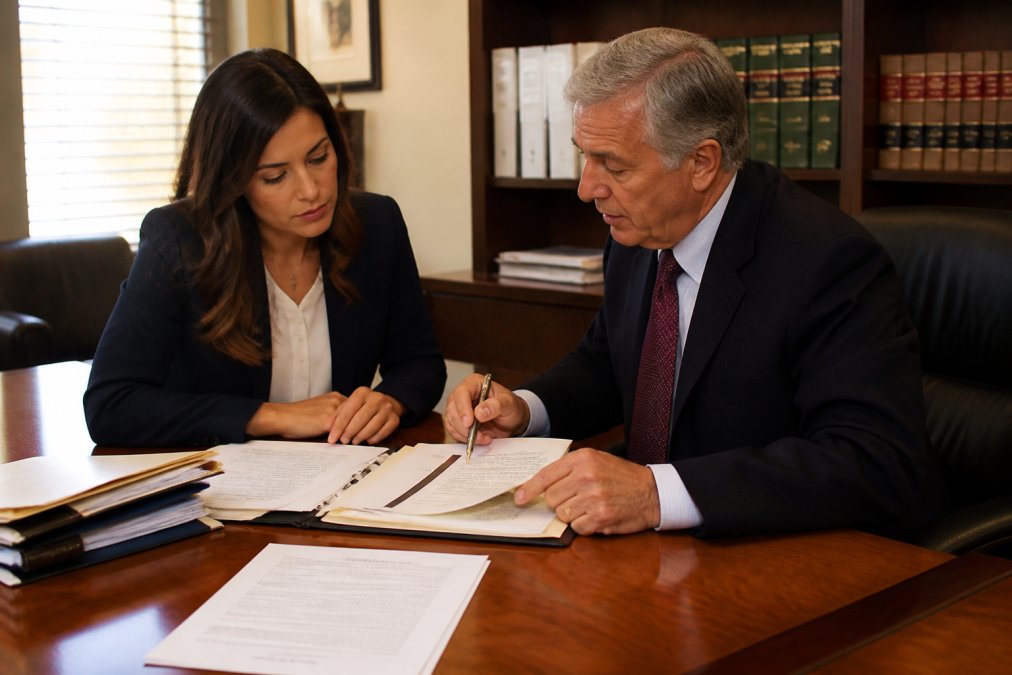
Managing Internal Communication and Post-Dispute Relationships
How you handle the dispute internally affects both the outcome and your organization’s stability. Develop a clear internal communication strategy. Identify which employees need to know about the dispute and brief them on the facts. Avoid speculation or emotional language.
Limit external communication. Don’t post about the dispute on social media or in industry forums. Don’t bad-mouth the other party publicly. These actions can hurt your credibility in settlement negotiations and may be introduced as evidence in litigation.
If the other party is a key vendor or customer, consider whether the relationship can be salvaged. Some disputes arise from miscommunication rather than intentional breach. If both parties want to continue working together, a settlement including a path forward may be worth more than winning a lawsuit and losing the relationship.
Document everything about how you handled the dispute internally. This documentation protects you if the other party later claims you acted in bad faith and shows a court that you handled a difficult situation professionally.
A commercial contract dispute tests both your business judgment and your legal position. The actions you take in the first days determine whether you recover damages, preserve your legal rights, and maintain your reputation. Abkarian Law Group has helped Southern California business owners navigate disputes like yours, from initial assessment through settlement or trial. Our team understands that contract disputes threaten both your bottom line and your peace of mind. We provide the strategic legal guidance you need to protect your interests while exploring every path to resolution. Get a free consultation with our experienced business law attorneys to assess your dispute and discuss your options.
Frequently Asked Questions
What should I do immediately after discovering a commercial contract breach?
Stop further performance under the contract if safe to do so, then document everything: preserve all communications, gather evidence of the breach, and review the original contract terms. Create a written record of how the non-compliance affects your business. Within days, send a formal demand letter outlining the breach and your expectations. Do not rely on verbal demands, formal documentation protects your legal position and demonstrates good-faith effort to resolve the dispute before litigation becomes necessary.
How long do I have to take legal action for a breach of contract?
The statute of limitations for contract disputes varies by state and contract type. For written contracts in most states, you typically have four years from the date of breach to file a lawsuit. For oral contracts, the period is usually shorter, often two to three years. However, the clock may stop if the other party acknowledges the debt or makes a partial payment. Do not wait: act promptly to preserve evidence and explore settlement options, as delays weaken your position and may trigger statute of limitations concerns.
What are the main remedies available in a breach of contract case?
Breach of contract remedies include monetary damages (compensatory damages for your actual losses), specific performance (requiring the other party to fulfill their obligations), and injunctive relief (court orders to stop harmful conduct). You may also recover legal fees if the contract permits it or if state law allows. The remedy depends on your contract terms, the nature of the breach, and what outcome serves your business interests best. An attorney can assess which remedies apply to your situation and are most likely to succeed.
Should I try mediation or arbitration before going to court?
Many commercial contracts include alternative dispute resolution (ADR) clauses requiring mediation or arbitration before litigation. Even if not required, ADR often saves time and money compared to court proceedings. Mediation is non-binding and allows both parties to reach a negotiated settlement with a neutral third party. Arbitration is binding and faster than litigation but offers less opportunity to appeal. Review your contract's dispute resolution clause first, it may mandate one method, then discuss options with your legal counsel to determine the best path forward.
This article was written using GrandRanker